
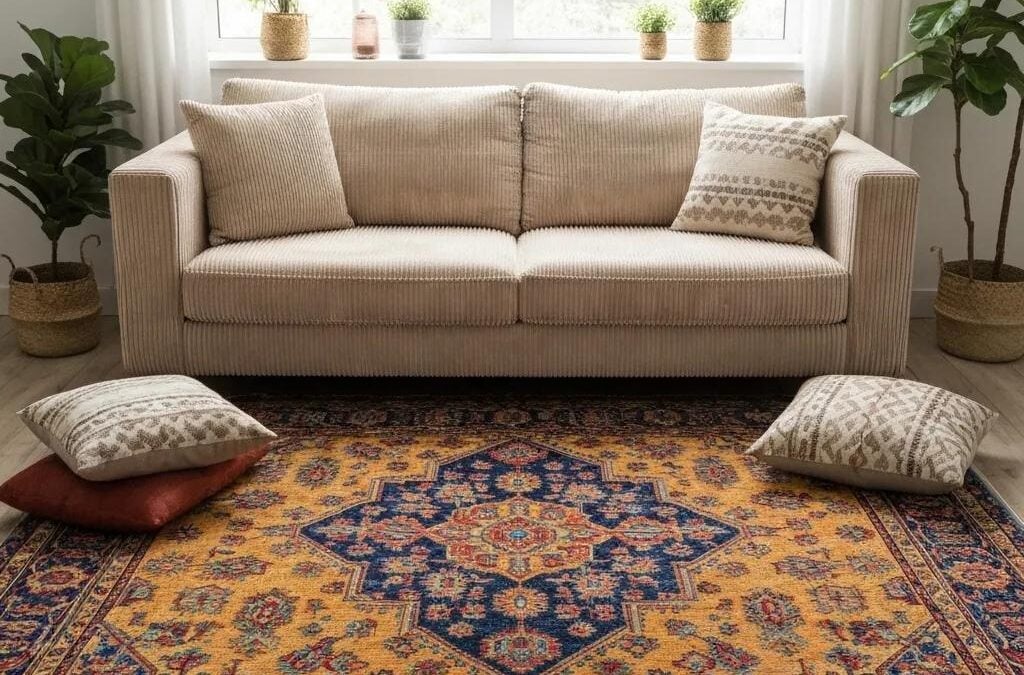
Residential area rug cleaning in Ventura, CA restores delicate fiber structures, removes embedded abrasive soils, and neutralizes biological allergens through specialized immersion and controlled drying techniques. Wool, silk, cotton, and synthetic textile blends require distinct pH-balanced cleaning solutions, specialized surfactant applications, and controlled thermal drying to prevent dimensional distortion, dye migration, and fiber browning. Local environmental factors such as coastal marine layers, persistent ocean humidity, and wind-driven particulate matter demand professional hot water extraction and low-moisture treatments to maintain indoor air quality and textile longevity. Steamworks Carpet Cleaning and Water Damage Restoration provides certified residential rug restoration across Ventura County, preventing premature fiber degradation through customized multi-stage cleaning protocols. Fine textiles require precise technical handling to safeguard intricate knotting structures and natural protein bonds against chemical breakdown and mechanical wear. Regional households depend on specialized immersion washing facilities to eliminate microscopic grit trapped deep within the foundation yarns of antique and contemporary decorative floor coverings. Proper maintenance protocols protect family investments while enhancing indoor environmental health by eliminating dust mites, pet dander, and trapped allergens from high-density pile matrices. Professional extraction standards ensure that vibrant colors and soft hand-feels remain uncompromised across decades of daily residential use. Periodic maintenance schedules prevent cumulative fiber fatigue caused by abrasive soil settlement in high-traffic domestic environments. Expert technicians evaluate individual weaving techniques and dye compositions prior to applying specialized solutions, guaranteeing safe and effective restoration outcomes for valuable household textiles.
Community Context & Climate
Coastal microclimates present unique challenges for textile maintenance throughout Ventura County. High relative humidity originating from the Pacific Ocean slows natural evaporation rates, trapping moisture deep within woven rug foundations if rapid, forced-air drying is neglected. Airborne sea salt particles mix with fine coastal sands, settling directly onto fine fibers where foot traffic grinds these abrasive minerals against delicate wool and cotton warps and wefts. Seasonal Santa Ana winds carry dry brushland dust and fine silt down from the local foothills, infiltrating residential HVAC systems and embedding particulate matter into high-traffic area rugs. Marine fog blankets coastal neighborhoods during early mornings and late evenings, elevating indoor moisture levels and creating an ideal micro-environment for dust mite proliferation and mold spore germination within dense pile rugs. Regular mechanical vacuuming removes surface debris, but subsurface accumulation requires specialized extraction methods to neutralize deeply embedded contaminants. Professional rug washing removes abrasive mineral deposits before fiber friction severs delicate foundation yarns. Controlled humidity extraction environments protect natural dyes from bleeding, ensuring heirloom and modern rugs maintain colorfast integrity despite regional humidity fluctuations. Atmospheric moisture requires specialized dehumidification chambers during winter rainstorms to guarantee complete moisture evacuation from heavy woolen foundations. Summer heatwaves accelerate the setting of organic spills, necessitating immediate chemical intervention to prevent permanent tannin staining on natural fibers. Local residential zones experience distinct micro-climatic variations depending on proximity to the shoreline, altering the frequency and intensity of salt-air corrosion on delicate rug fringes. Experienced technicians evaluate these localized weather impacts prior to selecting specific surfactant formulas and thermal drying parameters for each individual client order.
Extracted Certifications & Process
Industry standards demand rigorous technician training and verified credentialing to safely handle antique, contemporary, and specialty area rugs. Certified specialists apply advanced textile chemistry principles, utilizing surfactant technology, enzymatic digestants, and pH-controlled rinsing agents to dissolve stubborn organic soils without damaging delicate wool scales or silk protein bonds. Professional mastery of advanced cleaning science ensures that complex fiber blends receive precise, custom-tailored treatments rather than generic washing methods. The professional multi-stage rug cleaning process follows a strict sequence:
-
Pre-Inspection & Fiber Identification: Technicians test fiber composition, dye stability, and backing materials to determine the precise cleaning chemistry and mechanical parameters required.
-
Dust & Particulate Removal: Specialized pneumatic dusting machines vibrate the rug from behind, dislodging pounds of trapped dry soil, sand, and allergen-laden particulate matter before wet washing begins.
-
Pre-Treatment & Spotting: Targeted stain removal agents break down stubborn spots, oils, pet urine salts, and tannin discolorations using safe, non-corrosive solutions.
-
Controlled Immersion Washing or Low-Moisture Extraction: Customized surfactant solutions are gently worked into the pile to lift grease and grime, followed by a thorough rinsing phase that flushes all suspended soils away.
-
Centrifugal Water Extraction & Controlled Drying: High-speed centrifugal extractors or specialized drying rooms eliminate moisture rapidly, preventing cellulosic browning and dimensional shrinkage.
-
Grooming & Finishing: Pile grooming restores fiber loft and alignment, preparing the rug for safe return and placement in your home.
Technical precision during the washing phase prevents dye bleeding and structural distortion, maintaining the original geometric integrity of hand-knotted masterpieces. Surfactant solutions reduce water surface tension, allowing cleansing agents to penetrate deep into tightly packed pile loops without leaving sticky chemical residues behind. Rinsing phases utilize acidified water rinses to neutralize alkaline residues and restore the natural softness of animal and plant-based fibers. Centrifugal extraction forces out up to ninety-five percent of residual moisture safely, bypassing the risks associated with heat-heavy traditional drying tumblers. Careful post-restoration grooming sets the pile direction uniformly, ensuring an immaculate visual finish upon delivery. Rigorous quality control checks follow every extraction cycle to confirm complete soil removal and optimal fiber resilience.
Local Heritage & Proximity
Serving Ventura and surrounding Southern California communities requires deep familiarity with local geography, historical architecture, and regional traffic patterns. Technicians regularly service properties spanning from historic downtown districts to modern coastal residential developments. Neighboring communities such as Oxnard, Ojai, and Camarillo feature distinct architectural styles, ranging from Spanish colonial revival homes with Saltillo tile floors to contemporary hillside residences where fine area rugs anchor open-concept living spaces. Major regional landmarks, including the historic Mission San Buenaventura and the scenic Ventura Pier, define the coastal heritage of the primary service hub. Commercial corridors along Main Street and Victoria Avenue host bustling retail and office spaces requiring specialized commercial textile maintenance. Technicians navigate these local routes daily, ensuring prompt pickup, expert in-plant or on-site cleaning, and professional re-installation of delicate area rugs across Ventura, Santa Barbara, and Northern Los Angeles counties. Architectural diversity throughout the service radius demands versatile technical approaches, from historic Craftsman bungalows featuring vintage Persian rugs to modern coastal estates housing oversized wool and silk contemporary designs. Local homeowners trust specialized regional care providers who understand the specific environmental stressors affecting residential interiors across Ventura County and adjacent municipalities. Community engagement and reliable scheduling ensure seamless service delivery for busy families managing hectic household routines and professional commitments. Neighborhood associations and local interior designers frequently recommend expert textile restoration services to safeguard valuable home decor investments against premature wear and tear.
Map Narrative & Directions
Traveling from the historic Ventura Pier to the operational headquarters involves a straightforward northward transit along primary municipal corridors. Drivers depart the beachfront area by heading northeast on Harbor Boulevard toward North California Street. Turn left onto East Thompson Boulevard, continuing past local commercial storefronts and historic civic buildings. Merge onto US-101 North via the ramp toward San Francisco, enjoying sweeping views of the coastline before approaching the northern commercial districts. Take the exit toward Victoria Avenue and merge onto South Victoria Avenue, heading north toward the industrial and commercial parks. Continue straight past major intersections, observing the transition into modern commercial hubs. Turn right onto Eastman Avenue, navigating the light industrial blocks until reaching the destination. The facility is located at 1300 Eastman, Ventura, CA 93036, USA, serving as the central hub for regional dispatch, rug immersion washing, and equipment staging. Precise routing ensures efficient transit times for technicians carrying sensitive pickup orders from residential clients across the broader Ventura region. Clear logistical pathways support prompt equipment loading, chemical supply restocking, and secure in-plant treatment operations. Local delivery vehicles maintain strict schedules to accommodate client convenience during item retrieval and re-delivery appointments. Navigational familiarity across Ventura County eliminates transit delays, guaranteeing reliable arrival windows for every scheduled residential service call. Fleet navigation systems continuously monitor local traffic flow to optimize routing efficiency across all surrounding municipal zones.
Technical FAQ & Conclusion
What is the ideal frequency for residential area rug cleaning?
High-traffic residential area rugs require professional cleaning every 12 to 18 months to prevent abrasive soil accumulation and fiber wear.
Can pet urine odors be completely removed from wool rugs?
Enzymatic treatments and specialized sub-surface flushing neutralize uric acid crystals and eliminate stubborn pet odors safely.
Why do coastal climates require specialized rug drying techniques?
High atmospheric humidity prevents rapid natural evaporation, necessitating high-volume air movers and dehumidifiers to prevent mold growth.
What causes fringe discoloration on oriental rugs?
Cellulosic browning occurs when trapped moisture draws natural wood or cotton foundation dyes up into white cotton fringe during slow drying.
Are eco-friendly cleaning solutions safe for antique silk rugs?
pH-neutral, surfactant-based organic cleansers protect fragile protein structures without stripping natural silk lusters.
How does pneumatic dusting differ from standard vacuuming?
Mechanical dusting machines vibrate thousands of times per minute to expel deep-seated abrasive grit that consumer vacuums cannot reach.
Can moth larvae damage stored wool area rugs?
Undisturbed wool fibers in dark storage areas provide an ideal food source for textile-destroying beetle and moth larvae.
What is dye migration during rug washing?
Unstable synthetic or natural dyes bleed into adjacent light-colored sections when improper water temperatures or alkaline agents are applied.
How do rug protectors prevent permanent staining?
Fluorochemical topical treatments coat individual fibers, repelling liquid spills and preventing soil penetration into the yarn core.
Why should area rugs be professionally inspected before washing?
Pre-inspection identifies pre-existing fiber damage, dry rot, colorfastness issues, and structural vulnerabilities that dictate cleaning safety.
Steamworks Carpet Cleaning and Water Damage Restoration maintains a steadfast commitment to exceptional textile care, delivering superior craftsmanship backed by a 100% money-back guarantee across Ventura County and surrounding regions. Protect your home investment and restore the vibrant beauty of your fine textiles today. Visit or contact the headquarters located precisely at 1300 Eastman, Ventura, CA 93036, USA.
Technical Glossary
| Industry Term | Localized Definition |
| Surfactant | A specialized chemical compound that lowers surface tension, allowing water to penetrate deep fiber matrices and lift trapped particulate soil. |
| Hydrophobic | A physical property characterizing fibers or treatments that repel moisture, preventing liquid spills from instantly absorbing into the yarn. |
| pH-Balanced | A chemical state neither overly acidic nor alkaline, crucial for washing delicate wool and silk without dissolving protein structures. |
| Cellulosic Browning | A yellow-to-brown discoloration caused by slow drying processes drawing natural plant extractives from cotton foundation yarns to the surface. |
| Centrifugal Extraction | A rapid mechanical spinning process that forces moisture out of saturated area rugs using high-speed rotational force without damaging fringes. |