


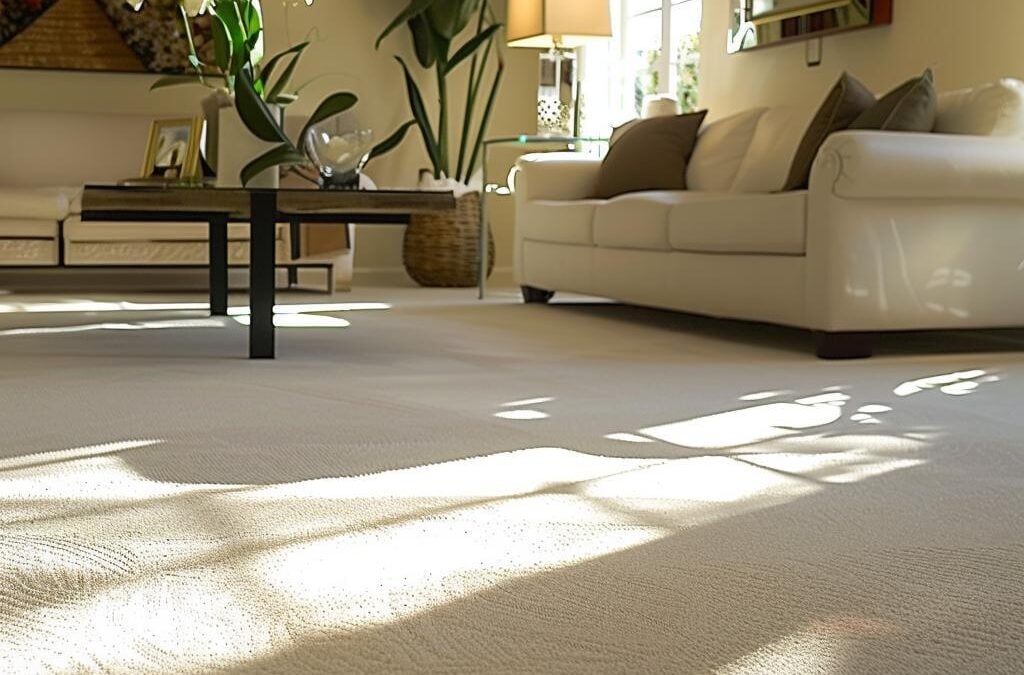
How often should you clean carpets in Ventura, CA depends heavily on household foot traffic, indoor pet populations, and seasonal coastal humidity cycles. Residential property owners typically schedule deep hot water extraction every twelve to eighteen months to maintain fiber integrity and indoor air quality. Modern textile maintenance relies on specialized equipment, precise thermal management, and pH-balanced surfactants to extract deeply embedded soil particulates, biological allergens, and organic residues. Trained cleaning specialists eliminate sticky oils, abrasive silica sand, and stubborn pet dander that standard residential vacuums leave behind. Local homeowners trust comprehensive deep-cleaning treatments that extend textile lifespan across diverse Ventura County properties.
Residential maintenance schedules must adapt to unique regional challenges to preserve flooring investments over time. Professional technicians evaluate specific fiber compositions, soil levels, and backing conditions before applying tailored cleaning solutions. Modern truck-mounted extraction units remove trapped soil particles, allergens, and persistent odors efficiently while high-velocity drying equipment prevents secondary moisture issues. Routine professional intervention restores crushed traffic lanes, revives pile texture, and ensures clean living environments for local households. Regular cleaning prevents premature fiber degradation and maintains structural integrity across diverse residential and commercial spaces.
Community Context & Climate
Ventura, CA experiences a Mediterranean coastal climate characterized by mild, damp winters and dry summers strongly influenced by Pacific Ocean currents. Persistent marine layers frequently roll inland during late spring and early summer, raising ambient indoor humidity levels that directly delay carpet drying times. High moisture levels interact with accumulated household dust mites, accelerating allergen proliferation within porous floor coverings. Seasonal Santa Ana winds sweep through regional mountain passes, carrying fine agricultural dust, particulate pollution, and brushfire ash into indoor living spaces. Residential properties located along coastal neighborhoods contend with airborne salt spray tracked inside on footwear, which binds moisture to fibers and accelerates mechanical backing abrasion.
Regional atmospheric conditions demand specialized extraction protocols and high-velocity air movement systems to ensure complete drying. Rapid moisture removal prevents secondary microbial development and structural backing deterioration in coastal homes. Expert technicians monitor humidity parameters during every service appointment to optimize evaporation rates and protect sensitive indoor furnishings. Comprehensive environmental assessments help property managers implement proactive maintenance strategies tailored to specific microclimates throughout the region.
| Climate Element | Material Impact | Restoration Strategy |
| Marine Layer Fog | Retains ambient moisture within backing yarns | High-velocity air movement & controlled hot water extraction |
| Santa Ana Silt | Embeds abrasive silica deep into primary backing | Commercial HEPA dry extraction prior to fluid rinsing |
| Airborne Salt Spray | Attracts moisture and creates sticky fiber residue | Neutralizing pre-rinses with pH-balanced surfactants |
Extracted Certifications & Process
Restoration practices adhere strictly to recognized industry standards published by professional governing bodies in the textile care sector. Qualified technicians apply expert knowledge regarding fiber identification, chemical compatibility, and thermal dynamics to achieve maximum soil extraction without textile damage. Service teams utilize high-powered truck-mounted steam extraction systems equipped with direct-run hoses, while employing pressurized portable units for enclosed commercial spaces to maintain secure access without leaving doors propped open.
The multi-step restoration sequence begins with a thorough pre-inspection where experienced technicians evaluate fiber composition, construction weave, and existing dye stability. Specialists execute dry soil removal using high-efficiency commercial vacuums to remove non-soluble quartz grit before applying liquid solutions. Technicians spray specialized pre-conditioners containing emulsifying surfactants across high-traffic zones to break the chemical bond between oily soils and synthetic filaments. Mechanical agitation via counter-rotating brush systems follows, working the cleaning agents deep into the carpet pile. High-temperature hot water extraction then flushes the emulsified contaminants away under regulated pressure, utilizing high-cfm vacuum blowers to lift dirty water into recovery tanks immediately. Professional pile grooming aligns carpet fibers, restoring aesthetic loft and accelerating overall evaporation.
-
Systematic Fiber Identification: Prevents color bleeding and thermal shrinkage on sensitive carpet weaves.
-
Deep Dry Particulate Removal: Eliminates abrasive soils before water application converts them to mud.
-
Targeted Emulsification Chemistry: Breaks down stubborn organic greases, food oils, and pet soils efficiently.
-
High-CFM Vacuum Recovery: Extracts over 90% of applied rinse water to prevent moisture retention.
Localized Heritage & Proximity
Ventura operates as a coastal base connecting major residential hubs across Ventura County, Santa Barbara County, and Northern Los Angeles County. Regional technicians regularly serve neighboring communities, including Oxnard, Camarillo, and Ojai, providing rapid-response cleaning and water damage mitigation. Mobile service units navigate primary transport corridors, including US Route 101, State Route 126, and State Route 1, to deliver prompt care to residential neighborhoods and commercial plazas. Important civic landmarks like the historic San Buenaventura Mission and the Ventura County Government Center mark key points along standard daily routes. Operations centered around commercial districts near the Pacific View Mall and Ventura Auto Center ensure complete geographic coverage for surrounding suburban properties.
-
Primary Service Communities: Oxnard, Camarillo, Ojai, Santa Paula, Simi Valley, and Carpinteria.
-
Major Transit Routes: US Route 101 (Ventura Freeway), State Route 126 (Santa Paula Freeway), and Highway 1.
-
Key Regional Landmarks: San Buenaventura Mission, Ventura Pier, and Ventura County Superior Court.
Neighboring populations benefit from consistent scheduling, transparent pricing structures, and professional technicians dispatched directly from local service hubs. Regional infrastructure supports efficient dispatch operations, ensuring technicians arrive on schedule for every residential and commercial appointment. Local business partnerships and community involvement reinforce a strong commitment to regional property preservation standards. Property managers across the tri-county area rely on established maintenance frameworks to protect flooring investments against heavy daily foot traffic and seasonal weather shifts.
Map Narrative & Directions
Reaching the central operational headquarters in Ventura involves navigating key transit corridors from central landmark locations. Departing from the historic San Buenaventura Mission on East Main Street, drivers head east toward North Ventura Avenue. Vehicles merge onto State Route 126 East via the highway ramp, continuing along the Santa Clara River corridor past Victoria Avenue. Drivers take the Eastman Avenue exit, turning right onto South Eastman Avenue into the commercial business sector. The primary service facility at 1300 Eastman, Ventura, CA 93036, USA sits directly on the right, providing an accessible staging ground for truck-mounted fleet operations.
Navigational clarity ensures that equipment loading and staging processes proceed without unnecessary delays throughout the business day. Transport vehicles maintain fully stocked inventory, enabling rapid response to emergency water damage calls and scheduled maintenance routes alike. Drivers utilize modern navigation tools to monitor real-time traffic updates along major freeways, bypassing congestion near major commercial interchanges. Efficient routing practices reduce fuel consumption while supporting dependable service delivery across all assigned municipal territories.
Technical FAQ & Conclusion
Frequently Asked Questions
How frequently should residential carpets undergo deep hot water extraction?
Residential carpets require deep hot water extraction every 12 to 18 months under standard usage conditions. Homes with pets, children, or heavy foot traffic benefit from professional service every 6 months to maintain indoor hygienic standards.
Does professional steam extraction cause carpet shrinkage or backing damage?
Proper steam extraction using calibrated truck-mounted equipment prevents backing damage. Certified technicians regulate water volume, solution temperature, and vacuum suction to extract moisture rapidly without oversaturating primary backing materials.
How long do carpets take to dry completely after hot water extraction?
Drying times range from 4 to 8 hours depending on relative humidity, carpet fiber density, and indoor airflow. Deploying high-velocity air movers and running air conditioning units accelerates moisture evaporation significantly.
Are pre-sprays and surfactant solutions safe for children and household pets?
Professional cleaning solutions utilize eco-friendly, non-toxic formulations registered as safe for residential environments. High-temperature rinsing steps extract surfactant residues completely, leaving clean fibers behind.
What is the difference between dry soil extraction and hot water extraction?
Dry soil extraction uses mechanical vacuuming to remove loose, insoluble grit and silica sand before washing. Hot water extraction applies heated water and emulsifiers under pressure to dissolve oils, extract deeply trapped pollutants, and rinse fibers.
Can professional hot water extraction eliminate set-in pet urine odors?
Specialized subsurface extraction tools combined with enzymatic treatments neutralize pet urine crystals embedded deep within carpet backing and padding. Organic enzymes break down uric acid compounds permanently rather than masking unpleasant smells temporarily.
Why do certain spots reappear on carpets days after cleaning?
Stain reappearance occurs when deep-seated residues trapped within the carpet backing wick up to the fiber tips as moisture evaporates. Professional technicians apply anti-wicking agents and execute thorough extraction passes to prevent post-cleaning soil migration.
Does hot water extraction strip protective stain resistance from synthetic fibers?
Properly balanced pH-neutral cleaning agents preserve factory-applied stain-resistant coatings. Technicians avoid aggressive alkaline detergents that degrade carpet protection, maintaining manufacturer warranties on nylon and triexta fibers.
Why is pre-vacuuming necessary before liquid cleaning solutions are applied?
Pre-vacuuming removes up to 80% of dry particulate matter from the carpet pile. Applying water to un-vacuumed carpet turns dry dirt into thick mud, making deep extraction far less effective and increasing required drying times.
How do cleaning technicians adjust procedures for delicate wool carpets?
Delicate natural wool fibers require lower water temperatures, gentle mechanical agitation, and specialized acidic rinses to maintain natural lanolin content. Technicians verify fiber origin before selecting appropriate cleaning chemistry to prevent felting or fiber burning.
Conclusion
Comprehensive carpet maintenance protocols protect financial investments in fine residential and commercial flooring materials. Qualified service technicians evaluate specific fiber compositions, soil levels, and backing conditions before determining how often should you clean carpets in Ventura, CA. Modern truck-mounted extraction units remove trapped soil particles, allergens, and persistent odors efficiently while high-velocity drying equipment prevents secondary moisture issues. Routine professional intervention restores crushed traffic lanes, revives pile texture, and ensures clean living environments for local households. Contact local textile care specialists today at 1300 Eastman, Ventura, CA 93036, USA or call 805-278-1166 to arrange a property inspection.
Technical Glossary
| Industry Term | Technical Definition |
| Surfactant | A chemical surface-active agent that reduces water surface tension, allowing cleaning solutions to penetrate fibers and dissolve greasy soils. |
| Hydrophobic | The physical characteristic of synthetic fibers or oily residues that repel water, requiring specialized emulsifiers for liquid extraction. |
| pH-Balanced | A chemical solution calibrated between pH 6 and 8 to clean safely without causing fiber discoloration or degrading dyes. |
| Emulsifier | A compound that breaks down insoluble oils and grease into tiny suspended particles, allowing them to be flushed away during extraction. |
| Particulate | Insoluble solid debris, such as silica sand, pollen, quartz dust, and dander, embedded mechanically within carpet tufts. |